Support for the transition into adolescence
The years between childhood and adolescence can bring significant changes in emotions, friendships, school expectations, family relationships, and independence. A 10-, 11-, or 12-year-old may not experience or communicate these challenges in the same way as an older teenager.
Some kids become more anxious or overwhelmed. Others withdraw, become irritable, struggle with friendships, have difficulty managing school expectations, or begin pushing for independence while still needing considerable support from their parents.
With more than 17 years of counseling experience, including extensive experience as a professional school counselor, Rachel understands the developmental, social, academic, and family challenges that can emerge during these years.
How counseling can help
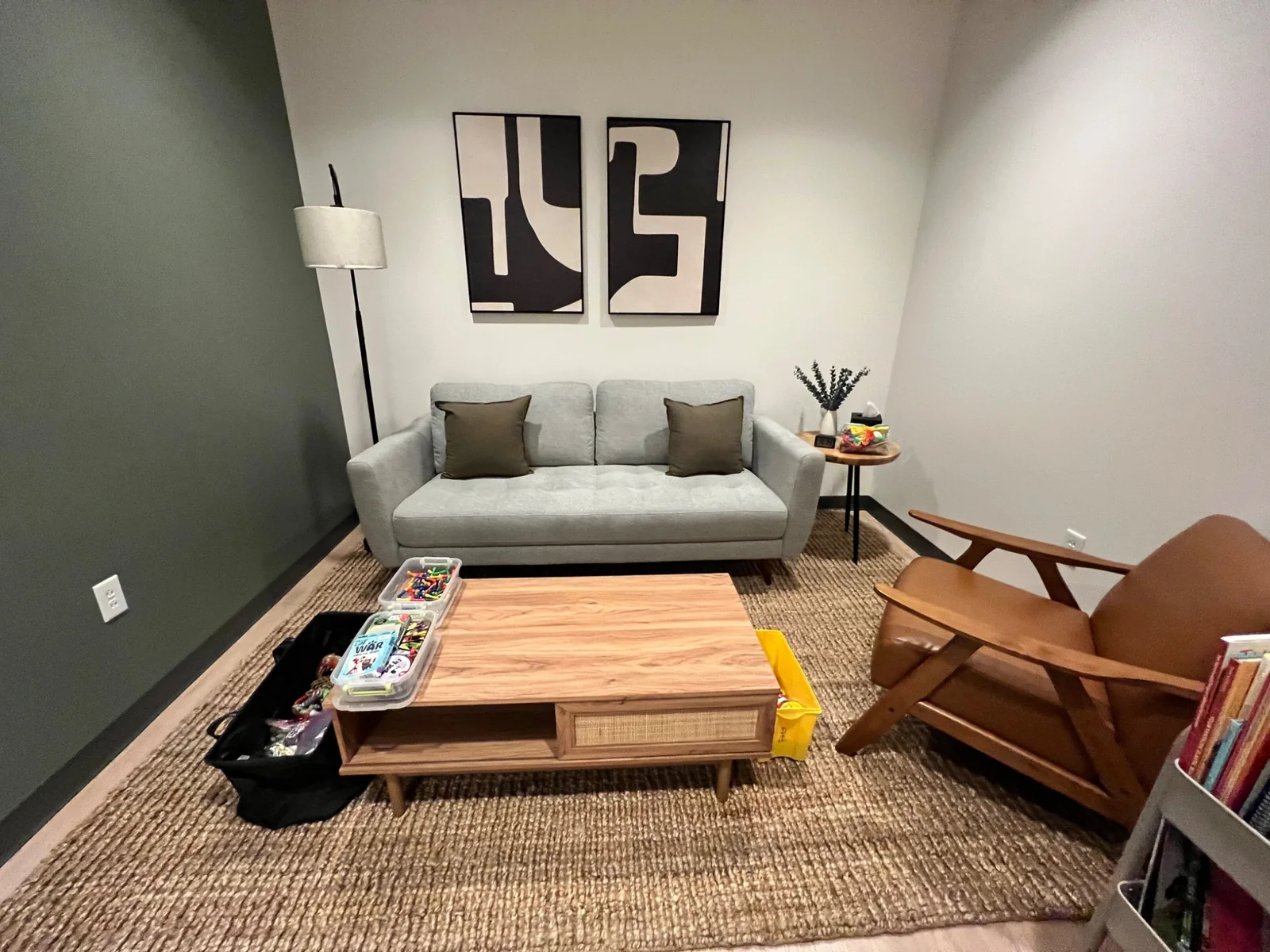
Children and younger adolescents do not always arrive at therapy knowing exactly what is bothering them—or wanting to sit down and talk about their feelings. Therapy can provide a comfortable, developmentally appropriate space for kids to begin understanding what they are experiencing and develop ways to manage difficult emotions and situations.
Rachel supports adolescents with anxiety and worry, school stress and academic pressure, friendship and peer difficulties, social anxiety, emotional regulation, ADHD-related challenges, self-confidence, family conflict, communication, increasing independence, and life or school transitions.
The approach is collaborative and adapted to the individual child. Depending on their needs and developmental level, sessions may incorporate conversation, practical problem-solving, skill building, emotional awareness, and strategies drawn from CBT, ACT, IFS, attachment-based approaches, and family-systems work.
Supporting the child—and the parent-child relationship
When a child is struggling, parents often have questions of their own: Should I be worried about this? Should I push my child to talk or give them space? How involved should I be in therapy? Is this typical for their age, or is something more going on? How can I help without making things worse?
Parents are an important part of that picture. The appropriate level of parent involvement depends on the child's age, needs, circumstances, and treatment goals, while maintaining a therapeutic space where the child can develop trust and increasing independence.
The parent-child relationship is also an important part of a young person's emotional development and well-being. When appropriate, Rachel works to strengthen that relationship by helping parents and children better understand one another's perspectives, needs, and patterns of communication. Therapy can provide opportunities to identify where communication is breaking down, reduce cycles of misunderstanding or conflict, and help both the child and parent communicate more effectively.
The goal is not simply to work with the child in isolation, but to consider the relationships and systems that influence their functioning. While respecting the child's developing need for privacy and autonomy, Rachel strives to help bridge communication between parent and child so that progress made in therapy can be supported by a stronger sense of connection, understanding, and emotional safety within the family.
The transition to the teen years
Ages 10–13 can be a particularly important period because children are beginning to encounter many of the developmental challenges associated with adolescence while still relying heavily on their parents. Friendships may become more complicated, academic and social pressures can increase, and kids become more aware of how others perceive them. They may want greater privacy and independence while still needing reassurance, structure, and connection.
Counseling can help children develop skills for navigating these changes while helping parents understand how their role may need to evolve along with their child.
Support through changes and life transitions
Changes such as divorce or separation, loss or illness of a loved one, moving, changing schools, new siblings, blended-family changes, or shifting friendships can be difficult to navigate during early adolescence. Even positive changes can bring uncertainty, anxiety, sadness, or conflict.
Therapy provides a supportive space for adolescents to understand and express what they are experiencing. When appropriate, Rachel also helps parents and children strengthen communication and maintain connection as the family adjusts together.
Counseling for adolescents in Old Town Alexandria
Rachel provides in-person counseling for adolescents ages 10+ in Old Town Alexandria, Virginia, as well as virtual counseling when appropriate. If you are unsure whether your child's difficulties are something they could work through in counseling—or whether parenting support might be a better starting point—a complimentary 15-minute consultation can help determine what type of support may be appropriate.
Request a free consultation